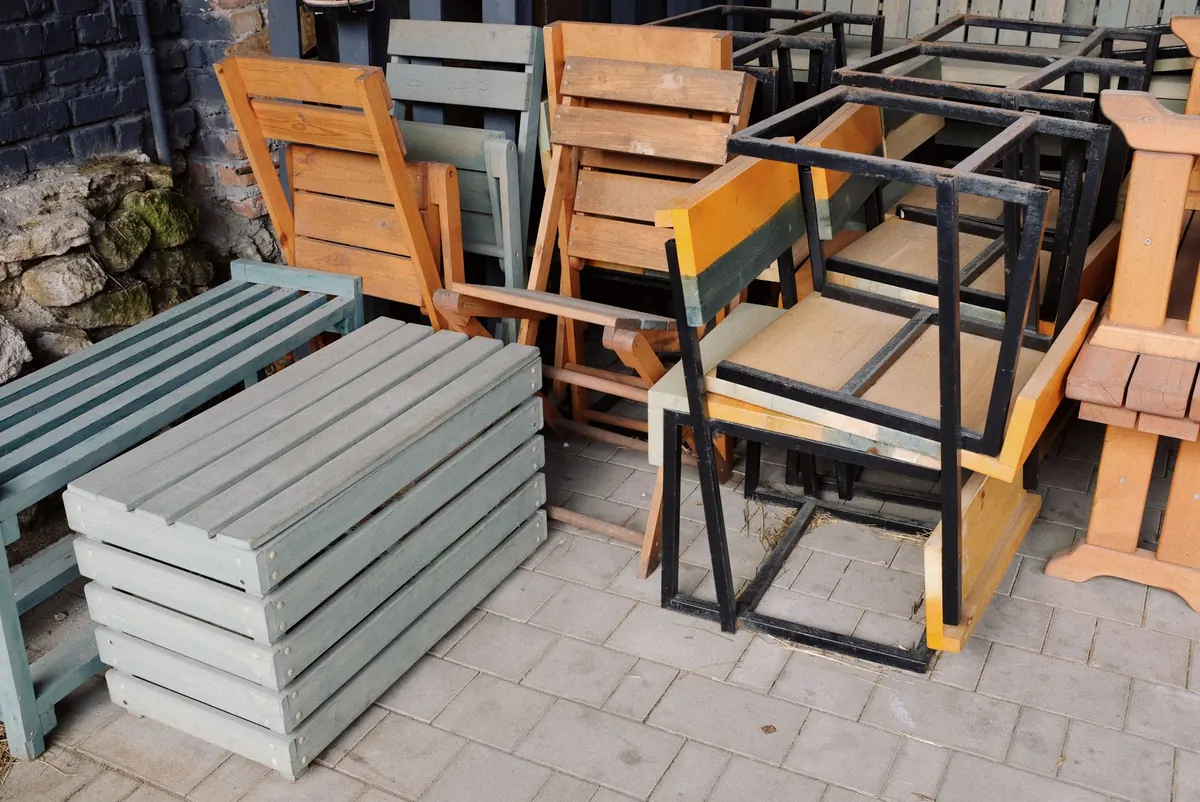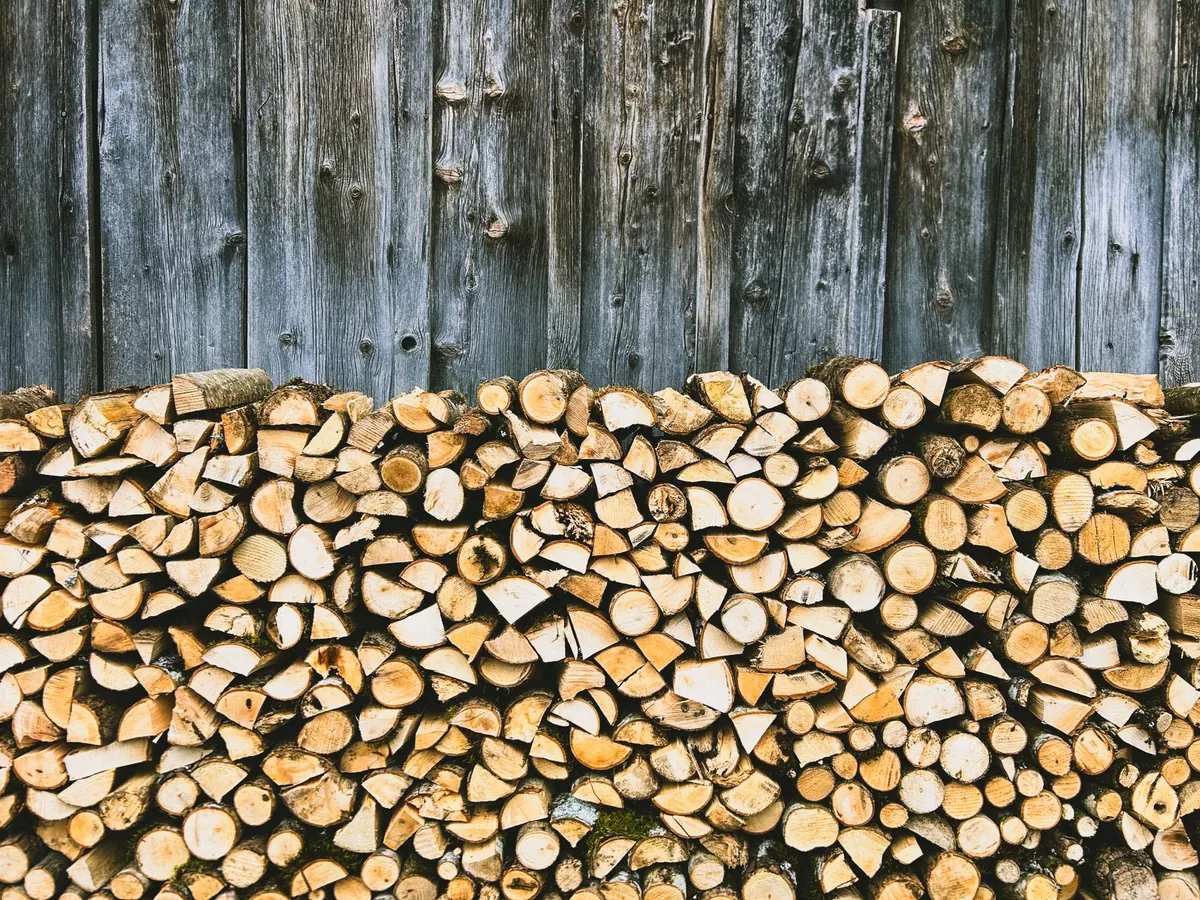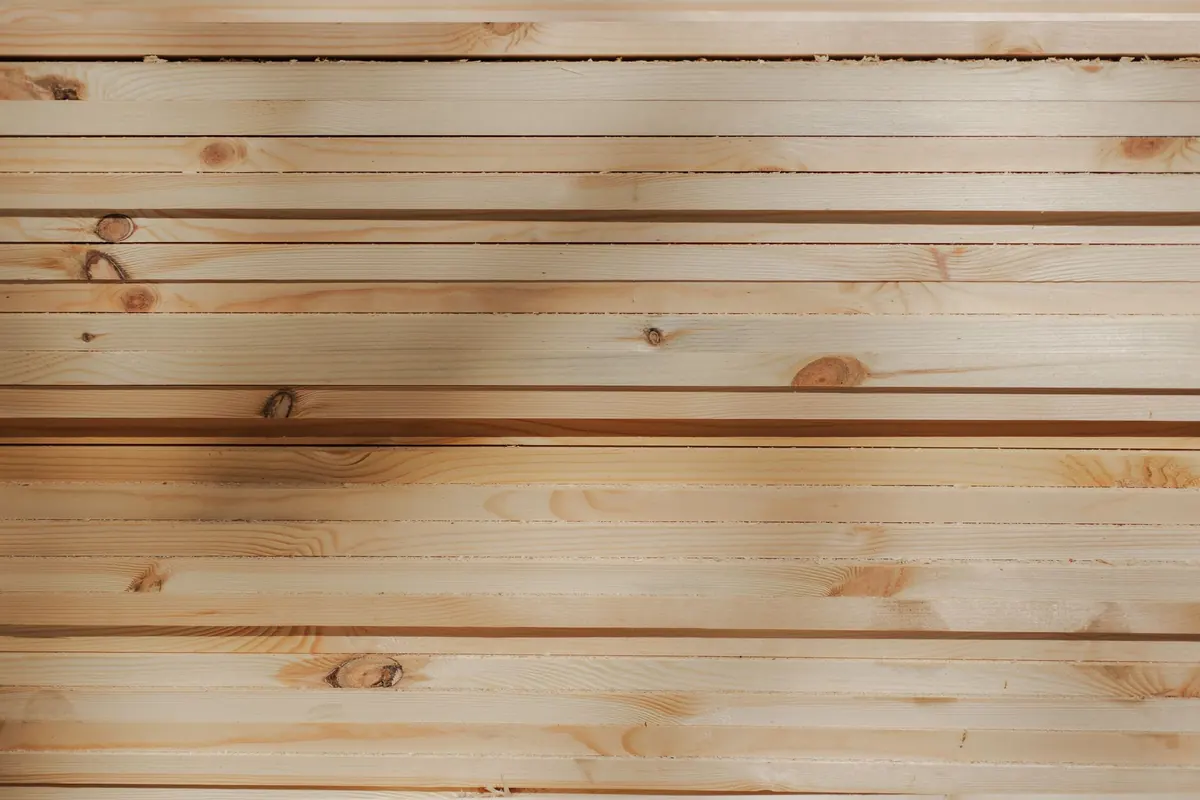
Cedar and treated pine share a rack at the timber yard and not much else. One is a naturally durable softwood that will shrug off a British winter for decades with barely any help. The other is a fast-grown timber that has been pressure-treated so it can do a similar job for a fraction of the cost. Both are sensible choices. Pick the wrong one for the job in front of you, though, and you will either overspend badly or find yourself rebuilding the same gate in five years.
What Each Timber Actually Is
Western red cedar (Thuja plicata) is what most British merchants mean when they say cedar. The heartwood carries natural oils that resist fungal decay and insects; the paler sapwood does not. It is light, remarkably stable once dry, and machines cleanly. Much of it is imported from the Pacific Northwest, though Thuja plicata grows well in the UK and home-grown stock is increasingly worth asking about.
"Treated pine" is a looser label. In practice it means Scots pine or a Baltic softwood — redwood or whitewood — pushed through a pressure cylinder with a copper-based preservative. Tanalised is a brand name that became shorthand. The detail that matters is the use class. UC3 covers timber exposed above ground: cladding, decking boards, fence rails. UC4 covers ground contact: posts, sleepers, base rails. Buying UC3 stock and burying it is one of the most common mistakes in garden joinery.
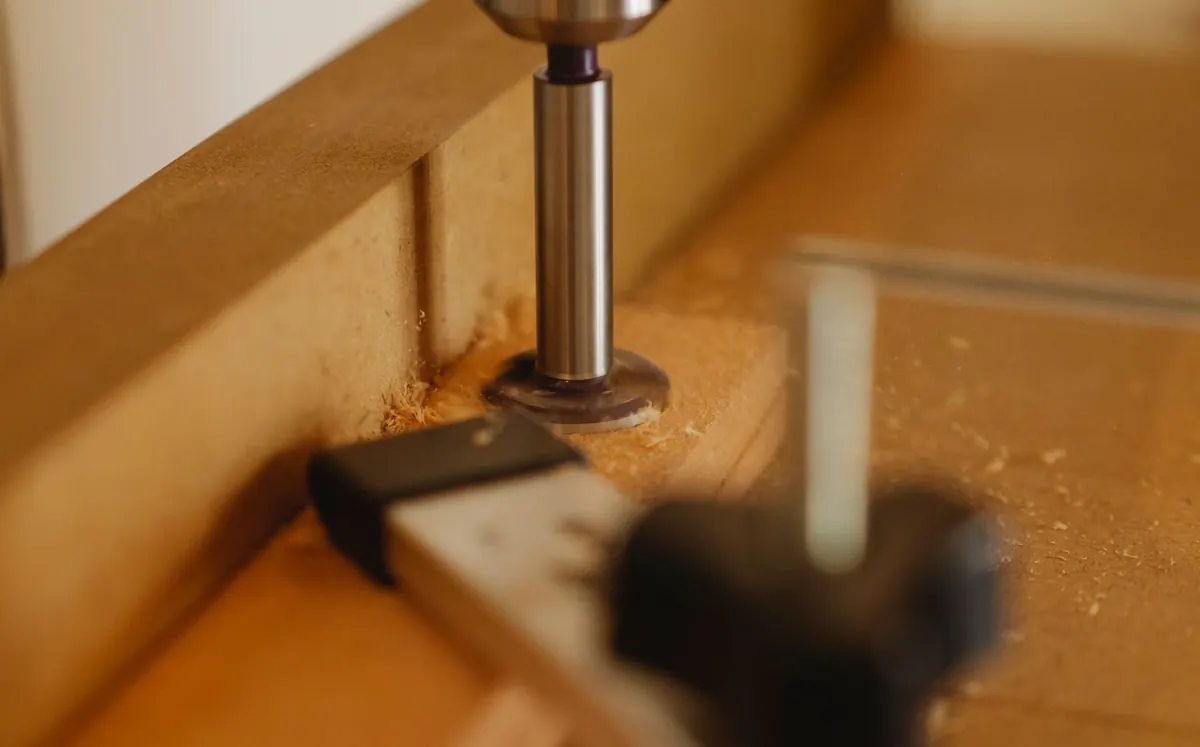
Treatment also penetrates sapwood far better than heartwood, and every saw cut exposes untreated timber. Brush preservative onto fresh cut ends as you work, and treat drilled holes the same way.
Cost: The Upfront Figure and the Whole-Life One
Cedar costs a good deal more than treated pine, and clear, knot-free grades more again. Prices move with shipping and exchange rates, so check with your merchant rather than trusting last year's figures.
Where the gap really bites is on large, plain surfaces. A long run of featheredge fence, a big deck, a shed base — treat those as pine territory. Cedar earns its premium on the parts people see and touch: a handrail cap, a gate frame, a bench, window boxes, the visible brackets under a canopy. On a small job the difference in absolute spend is modest, and you get a far nicer piece of timber.
Whole-life costing is where people get carried away. Cedar's durability advantage is real but often overstated, because a well-detailed pine structure that gets recoated every couple of years will comfortably outlast a badly detailed cedar one. The saving on pine is paid for in time, not money.
Lifespan in UK Weather
Rot needs water, oxygen and warmth, and British weather supplies two of those generously. Species matters, but detailing matters more. Cedar heartwood left above ground, ventilated and sheltered at the ends, can last for decades. Cedar with its feet in soil behaves much like any other softwood.
Keep these rules in mind whatever you buy:
- Keep end grain out of the rain — cap it, slope it away, or seal it.
- Leave air gaps. Never sandwich timber against timber where water can sit.
- Lift rails and frames off the ground, or specify UC4 timber if soil contact is unavoidable.
- Slope or chamfer any horizontal surface so it sheds water.
- Use stainless steel or hot-dip galvanised fixings. Cedar's natural acidity attacks mild steel, and copper-based preservatives go for thin galvanising.
Maintenance: What You'll Be Doing in Year Five
Untreated cedar weathers to a soft silver-grey, which suits a lot of gardens. Clean it once a year with a stiff brush and water, use a dedicated timber cleaner if algae builds up, and resist blasting it with a pressure washer. If you want to keep the warm colour, oil or stain it every couple of years, and more often on a south-facing wall that catches the sun.
Treated pine needs recoating because the preservative guards against rot, not ultraviolet light. The surface greys, checks and dries out, and once water starts tracking into joints the protection weakens. A brush-on preservative or coloured shed-and-fence stain on cut ends, joints and sanded patches every two or three years will keep it going.
Sustainability and Sourcing
Both timbers are available certified by FSC or PEFC, and that certification should be your starting point. Cedar grows slowly, and much of it travels a long way by sea; ask whether UK-grown Thuja plicata is available, as it has a much shorter journey and performs well here. Pine grows fast, often within Scandinavia or the Baltics, and is far more abundant.
Preservative treatment carries its own footprint. Copper-based treatments are restricted for certain uses near water, and treated offcuts should never go in a woodburner or on the compost heap. Take waste to a licensed waste site. If you are building raised beds for edibles and would rather not have treated timber against the soil, line the inside with a membrane or use cedar, which needs no chemical protection at all.
Appearance and Handling
Cedar has an even, fine, straight grain, few knots in clear grades, and a warm red-brown colour that fades gracefully. It holds crisp edges and detail, takes a finish beautifully and stays flat. Its weakness is softness: it dents and scratches easily, so keep it away from barrow wheels and boot scuffs.
Treated pine is more variable. Expect knots, resin pockets, colour banding and a greenish tint that fades with weathering. Larger sections can twist and cup as they dry, so pick your boards rather than accepting whatever comes off the pallet.
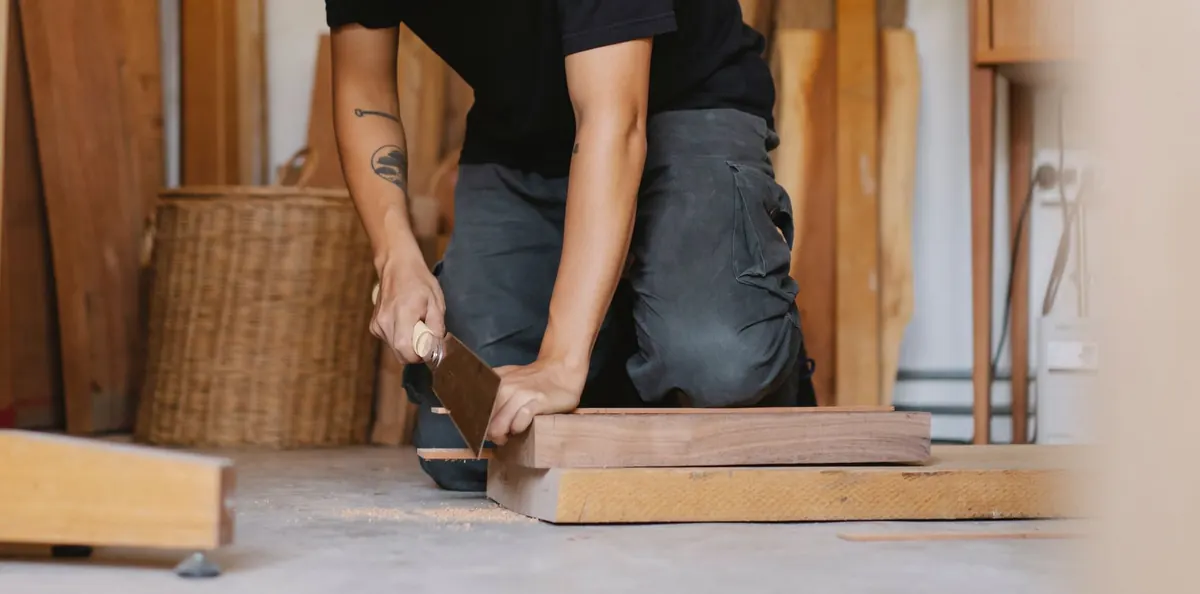
One health note: cedar dust is a known respiratory sensitiser, and treated timber dust is not something to breathe either. Extract at the machine and wear a mask, and wash your hands before you eat.
Which Should You Choose?
Work through the job honestly and the answer usually falls out on its own:
- Will it touch the ground? Use UC4 treated pine, or a genuinely durable hardwood. Cedar has no advantage below soil level.
- Is it a big, plain, structural surface? Pine, clad and detailed well.
- Is it small, visible and handled? Cedar, every time.
- Will you actually maintain it? If not, cedar left to silver is the lower-risk choice.
- Can you source certified timber, ideally grown closer to home? Ask. It often costs nothing extra.
A mixed build is often the most sensible answer: treated pine for the frame, deck boards and posts, cedar for the handrail, the gate and the parts your eye lands on. Buy the cheaper timber where nobody looks, and the better timber where hands and eyes go.
Photo: Ron Lach / Pexels